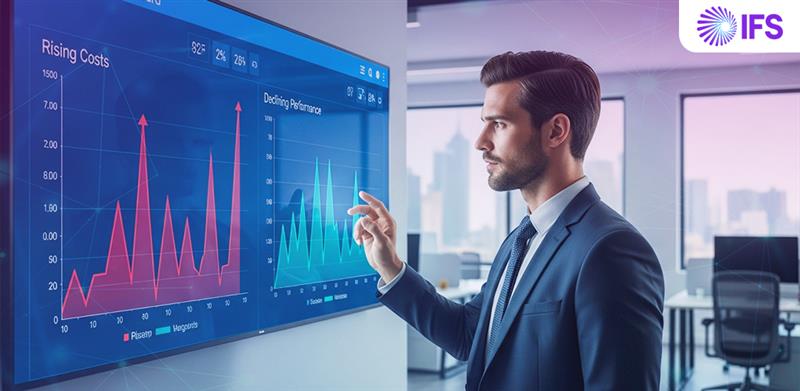




Legacy systems can significantly drain resources and stall business growth. Organizations maintaining these outdated systems face escalating maintenance expenses due to specialized support needs, increasing by around 15% annually, and can reach costs of hundreds of millions per year. Beyond direct expenses, relying on legacy infrastructure increases risks such as security vulnerabilities, operational inefficiencies, and lost market opportunities, leaving companies at a competitive disadvantage in today’s fast-moving business landscape.
Impact on Agility, Innovation, and Customer Experience
Legacy systems often operate on outdated batch processing models and have monolithic, rigid architectures that make swift change difficult. This impedes agility—the ability to rapidly adapt to market changes—and stifles innovation, as these systems resist integration with cloud computing, AI, and automation. The result is slower decision-making, cumbersome workflows, and an inability to provide personalized, responsive customer experiences vital for retention and growth.
How IFS and SAP Drive Digital Transformation Strategies with Intelligent Data Analytics
IFS and SAP lead the way in helping companies achieve digital transformation by providing intelligent, integrated platforms. IFS Cloud consolidates fragmented data into a unified, accessible layer, boosting data access by up to 325% and enabling “industrial AI” embedded directly into business processes. SAP’s S/4HANA and related solutions unlock advanced analytics, real-time insights, and AI-driven predictive capabilities, enhancing decision-making and operational efficiency. These platforms also streamline compliance, security, and customer personalization while enabling cloud-based agility.
Evaluating Total Cost of Ownership: Upfront Investment vs Long-Term Gains
While migrating to IFS or SAP entails upfront costs—including data migration, system testing, training, and decommissioning legacy systems—these are outweighed by long-term benefits. The total cost of ownership (TCO) includes not only software and hardware expenses but also implementation and ongoing operational gains such as reduced maintenance, improved productivity, and faster time to value. Over time, companies experience lower risks, higher scalability, and enhanced ROI when compared to continuing with costly legacy systems.
Leadership Challenges and Change Management During ERP Migration
ERP migration is a broad organizational transformation, not just a technical upgrade. Leadership must overcome challenges such as underestimating project scope, resistance to change among employees, and managing data integrity during migration. Successful projects require executive sponsorship, cross-department collaboration, clear communication, robust training, and ongoing change management strategies to ensure adoption and minimize disruption.
Success Metrics: KPIs to Measure Benefits After Moving to IFS/SAP
Leaders can measure ERP success with KPIs that go beyond budget and timelines, including:
- Employee productivity and system adoption rates
- Business process improvements such as automation and real-time data usage
- Customer satisfaction metrics like on-time delivery and order accuracy
- Financial indicators including ROI and operational efficiency
- System uptime and reduced error rates
Tracking these indicators post-implementation helps quantify the value and identify areas for continuous improvement.
Conclusion: Aligning IT Modernization with Business Growth Goals
Migrating from legacy systems to modern platforms like IFS and SAP is a strategic imperative for businesses that want to stay competitive, agile, and innovative. Leadership should view this migration as an integral part of broader digital transformation and growth strategies, balancing initial costs with significant long-term value. Modern ERP systems bring intelligence, flexibility, and enhanced customer experiences that legacy systems cannot match, aligning IT modernization tightly with business objectives.
Let’s Solve Your ERP Challenges Together!
We’d love to hear from you! Tell us what ERP or business challenges you’re currently facing — and we’ll get back to you with tailored insights, solutions, or resources.