

957 views

Why Small & Medium Enterprises Should Invest in ERP Systems

Imagine having all your business functions—inventory, finances, HR—centralized in one place. That’s exactly what an ERP system does.  

Small and medium-sized enterprises (SMEs) often face unique challenges when it comes to competing with larger, more established organizations. However, the right technology can help level the playing field. One such game-changer for SMEs is investing in an ERP system (Enterprise Resource Planning). Here’s why integrating ERP is a smart move for small businesses looking to grow and stay competitive. 

Benefits of Enterprise Resource Planning for SMEs 

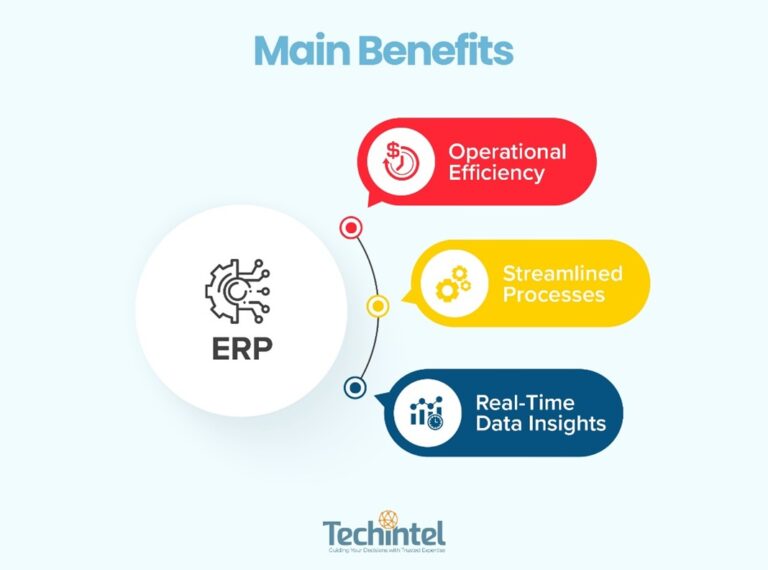
  1. Improved Operational Efficiency:

ERP allows your business to streamline its tasks, which in turn means your employees spend less time on repetitive admin work and more time focusing on activities that actually add value. This not only saves time and money but can also lead to significant improvements in your bottom line. 


  1. Streamlined Processes:

Many small and medium-sized businesses (SMEs) use different systems for different departments, which often leads to confusion and inefficiencies. ERP brings everything together on one platform, making workflows smoother and teamwork easier.

For example:   

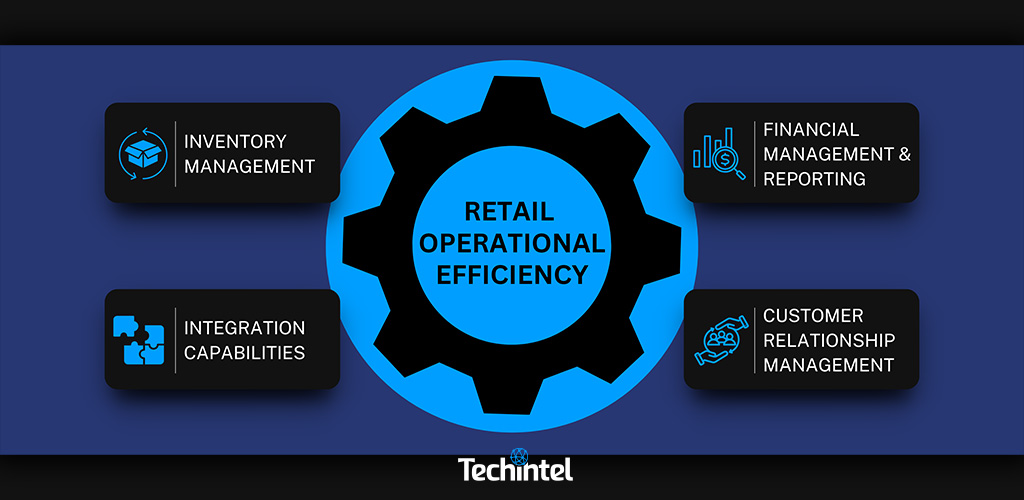
  • Inventory management becomes more accurate.   
  • Financial reporting becomes clearer.   
  • HR processes become more organized.   

With an ERP system, every detail is managed seamlessly, leaving no room for errors. 


  1. Enhanced Decision-Making with Real-Time Data:

Imagine having up-to-date insights about your business at your fingertips. ERP systems provide real-time data that help you make quicker, smarter decisions. Research indicates that companies using ERP solutions experience a reduction in decision-making time by over 35%. Whether it’s tracking performance, managing finances, or identifying trends, an ERP enables you to act fast and solve issues before they grow. 


Competitive Advantages of Enterprise Resource Planning for SMEs: 

  1. Leveling the Playing Field with Larger Competitors:

Big companies often have advanced tools to stay ahead. With ERP, SMEs can level the playing field by accessing similar technology to streamline operations and boost efficiency. This allows smaller businesses to compete head-to-head with industry giants. For example, SAP Business One is tailored specifically for SMEs, offering functionalities that help manage sales, inventory, accounting, and more—all designed to give smaller companies a competitive edge.


  1. Faster Response to Market Changes:

Business moves fast. Market conditions can change overnight, and being able to adapt is crucial. ERP provides real-time updates, helping SMEs quickly adjust production schedules, finances, or customer service strategies to seize new opportunities or tackle challenges effectively.


  1. Increased Scalability and Adaptability for Growth:

As your business expands, your needs will grow too. A scalable ERP system grows alongside you, handling more complex workflows, new products, or even entry into new markets without compromising efficiency. This flexibility keeps your business agile and ready for future growth.


Summary 

For small and medium-sized enterprises, investing in an ERP system isn’t just about staying efficient; it’s about staying competitive. It simplifies daily operations, provides actionable insights, and helps businesses move from reactive to proactive management. 

By advancing to an ERP system, businesses are adopting a tool for efficiency, while building a foundation for sustainable growth and greater resilience in the face of changing market conditions. 

For SMEs looking to remain competitive and thrive in the modern business landscape, an ERP system is an investment in the future of the business itself.  

Let’s Solve Your ERP Challenges Together!

We’d love to hear from you! Tell us what ERP or business challenges you’re currently facing — and we’ll get back to you with tailored insights, solutions, or resources.
TAGS:
881 views

Strategies for Successful Cloud ERP Implementation 

Implementing a Cloud Enterprise Resource Planning (ERP) system can be a transformative step for businesses, but it requires careful planning and execution. Here are some effective strategies to ensure a successful Cloud ERP implementation. 

Define Clear Objectives

Before diving into the implementation process, it’s crucial to outline your goals. Determine what you hope to achieve with the new ERP system, whether it’s improving efficiency, enhancing data accessibility, or streamlining operations. Having clear objectives will guide your decisions throughout the project. 

Involve Key Stakeholders Early

Engaging key stakeholders from various departments early in the process is essential. Their insights and feedback can help shape the system to better meet organizational needs. Involving them also fosters a sense of ownership, which can lead to greater acceptance and smoother adoption of the new system. 

Choose the Right Vendor

Selecting a reliable cloud ERP vendor is critical. Look for vendors with a proven track record, robust support services, and a solution that aligns with your business requirements. Take the time to evaluate different options and consider factors such as scalability, customization capabilities, and integration with existing systems. Companies that hired a software consultant for their ERP implementation reported an 85% success rate. 

Plan for Change Management

Transitioning to a new ERP system often necessitates changes in workflows and processes. Prepare your team for these changes by developing a comprehensive change management plan. This should include training sessions, resources for support, and clear communication about what to expect during the transition.

Prioritize Data Migration

Data migration can be one of the most challenging aspects of implementing a Cloud ERP system. Ensure that you have a solid plan in place for transferring data from legacy systems to the new platform. This includes cleaning up existing data to eliminate duplicates and inaccuracies, which will enhance the quality of information in your new system.

Test Thoroughly Before Going Live

Before fully launching your Cloud ERP system, conduct thorough testing to identify any issues or bugs. This should include user acceptance testing (UAT) where actual users evaluate the system’s functionality. Addressing any problems before going live can save time and reduce frustration later on.

Monitor Performance Post-Implementation

Once your Cloud ERP system is live, continue to monitor its performance closely. Gather feedback from users and analyze key performance indicators (KPIs) to assess whether the system is meeting your initial objectives. This ongoing evaluation will help you make necessary adjustments and improvements over time.

By following these strategies, organizations can navigate the complexities of Cloud ERP implementation more effectively, paving the way for enhanced operational efficiency and overall business success.

Let’s Solve Your ERP Challenges Together!

We’d love to hear from you! Tell us what ERP or business challenges you’re currently facing — and we’ll get back to you with tailored insights, solutions, or resources.

TAGS:
1,038 views

Key ERP Functions Every Small & Medium Enterprises Needs to Succeed 

Running a small or medium-sized enterprise (SME) comes with unique challenges—balancing budgets, managing growth and staying competitive. That’s where an ERP (Enterprise Resource Planning) system steps in. But what functions should your ERP system have to truly make an impact? Let’s explore the must-have features that can take your business to the next level. 


Accounting and Financial Management  

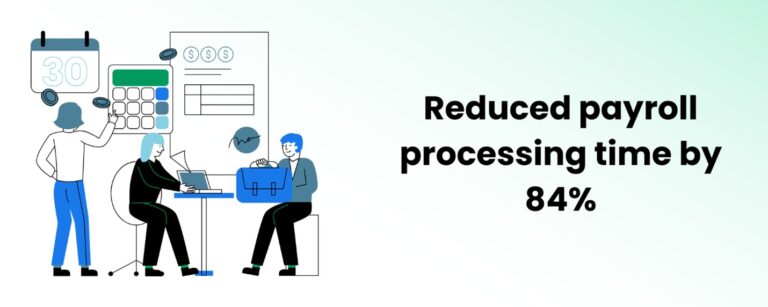
Keeping your finances in check is crucial. ERP systems simplify accounting tasks by providing tools for accurate bookkeeping and comprehensive financial reporting. For instance, N&N Moving Supplies, a family-run distributor, implemented an ERP system that reduced payroll processing time by 84% and improved financial accuracy across its locations. This transparency not only helps in compliance with regulations but also aids in avoiding costly errors. 

Inventory Management

No more overstocking or stockouts. With ERP, you can monitor inventory levels in real time, ensuring you always have the right products available. This reduces waste while saving money and keeps your customers happy. 

Sales and CRM (Customer Relationship Management) 

Customer satisfaction is a key driver of growth. ERP systems facilitate the tracking of sales activities and management of customer relationships, consolidating all client data in one place. This integration enables businesses to close deals more effectively and build lasting relationships. Companies leveraging these systems have reported improved customer engagement and higher sales conversion rates due to better access to customer insights.

Supply Chain Management

A strong supply chain management keeps your business running. From coordinating with vendors to tracking shipments, an ERP streamlines your supply chain. You can automate purchase orders and track vendor performance. This ensures timely deliveries, reduces costs, and keeps your operations efficient.

Integration with Other Application

Your ERP System shouldn’t work in isolation. An effective ERP system should integrate seamlessly with other tools such as payroll systems and project management software. This connectivity reduces manual data entry and enhances workflow efficiency. For example, integrating HR modules with payroll software can automate salary calculations and track employee performance, allowing HR teams to focus on strategic initiatives rather than administrative tasks.

Reporting and Analytics

Making the right business decisions starts with having the right data. ERP systems provide dashboards and real-time insights into operations, helping SMEs identify trends and opportunities swiftly. The ability to analyze data effectively can lead to informed strategic decisions that drive business success. Research indicates that companies using ERP solutions see a reduction in decision-making time by over 35% due to improved data visibility.

Summary

Implementing an ERP system can be a game-changer for SMEs looking to streamline operations and enhance customer experiences. With essential functions like accounting management, supply chain optimization, integration features, and robust analytics, ERP systems equip businesses with the tools necessary to thrive in a competitive landscape. By embracing these technologies, SMEs can turn challenges into opportunities for growth and success in today’s dynamic market environment.

Let’s Solve Your ERP Challenges Together!

We’d love to hear from you! Tell us what ERP or business challenges you’re currently facing — and we’ll get back to you with tailored insights, solutions, or resources.
TAGS: